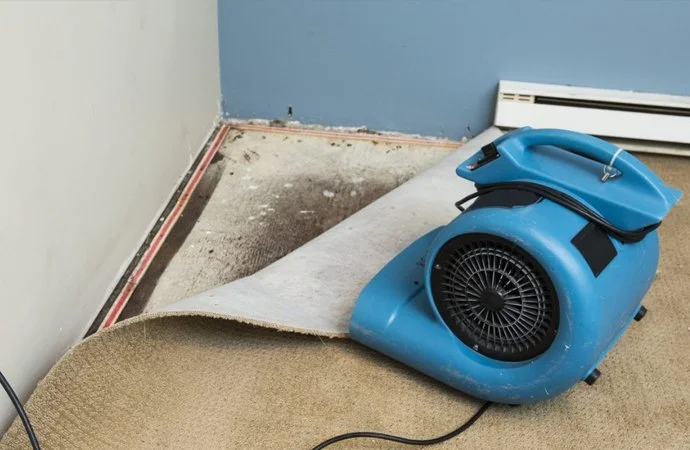
Can I Start Water Mitigation Work Before My Claim Is Approved?
When a water damage event strikes your home—whether from a burst pipe, roof leak, or appliance malfunction—it’s natural to feel overwhelmed. Many homeowners wonder: Should I wait for my insurance company to approve my claim before starting water mitigation work?
The short answer: No, you should not wait. In fact, most insurance policies require you to take action immediately.
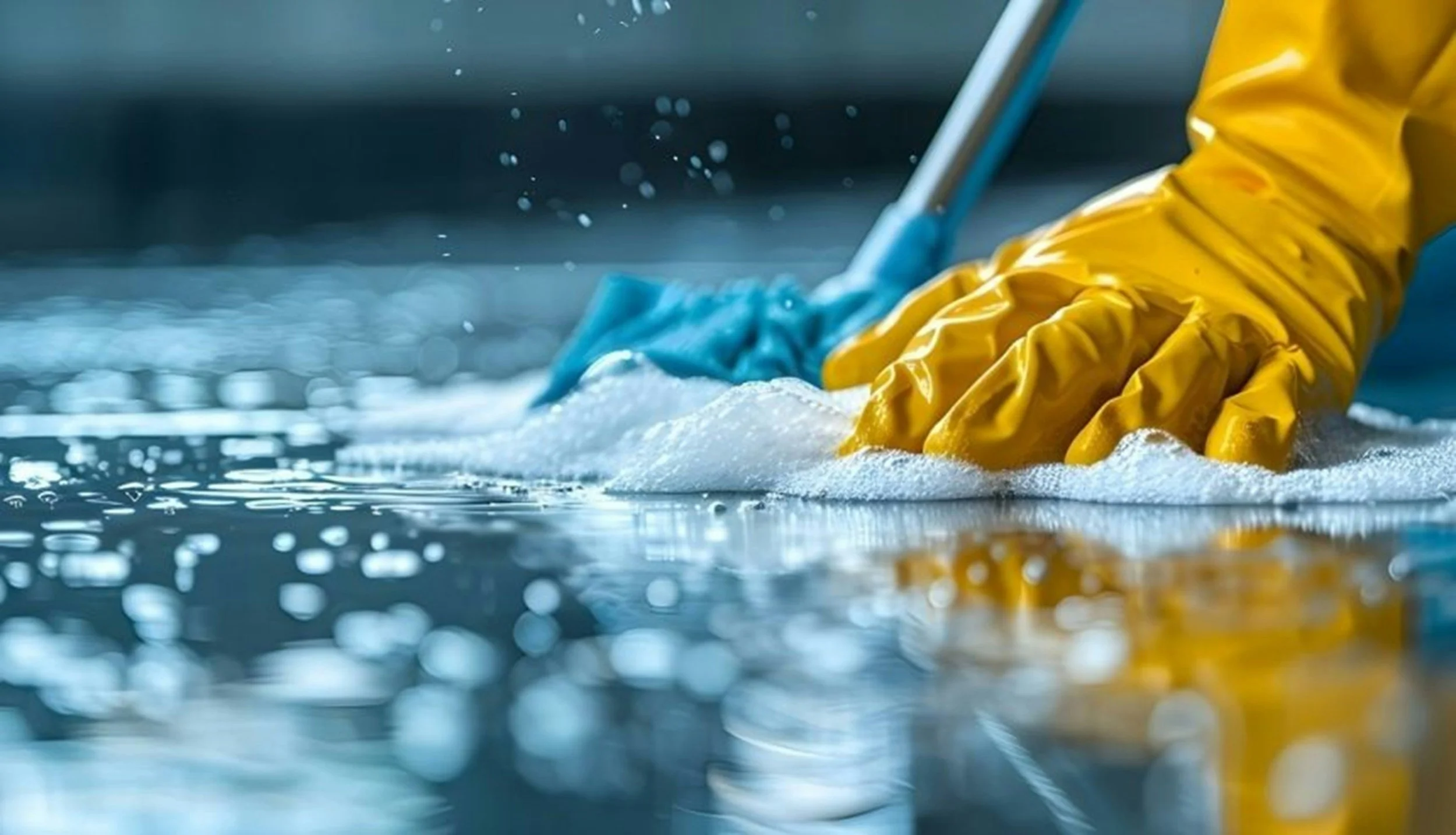
Why You Shouldn’t Clean or Cover Water, Smoke, or Fire Damage Yourself
While that’s a completely natural reaction, it’s actually one of the biggest mistakes you can make. Attempting to clean, repair, repaint, or otherwise hide the damage without professional help can create bigger challenges later—and may even reduce the amount of assistance your insurance provides.
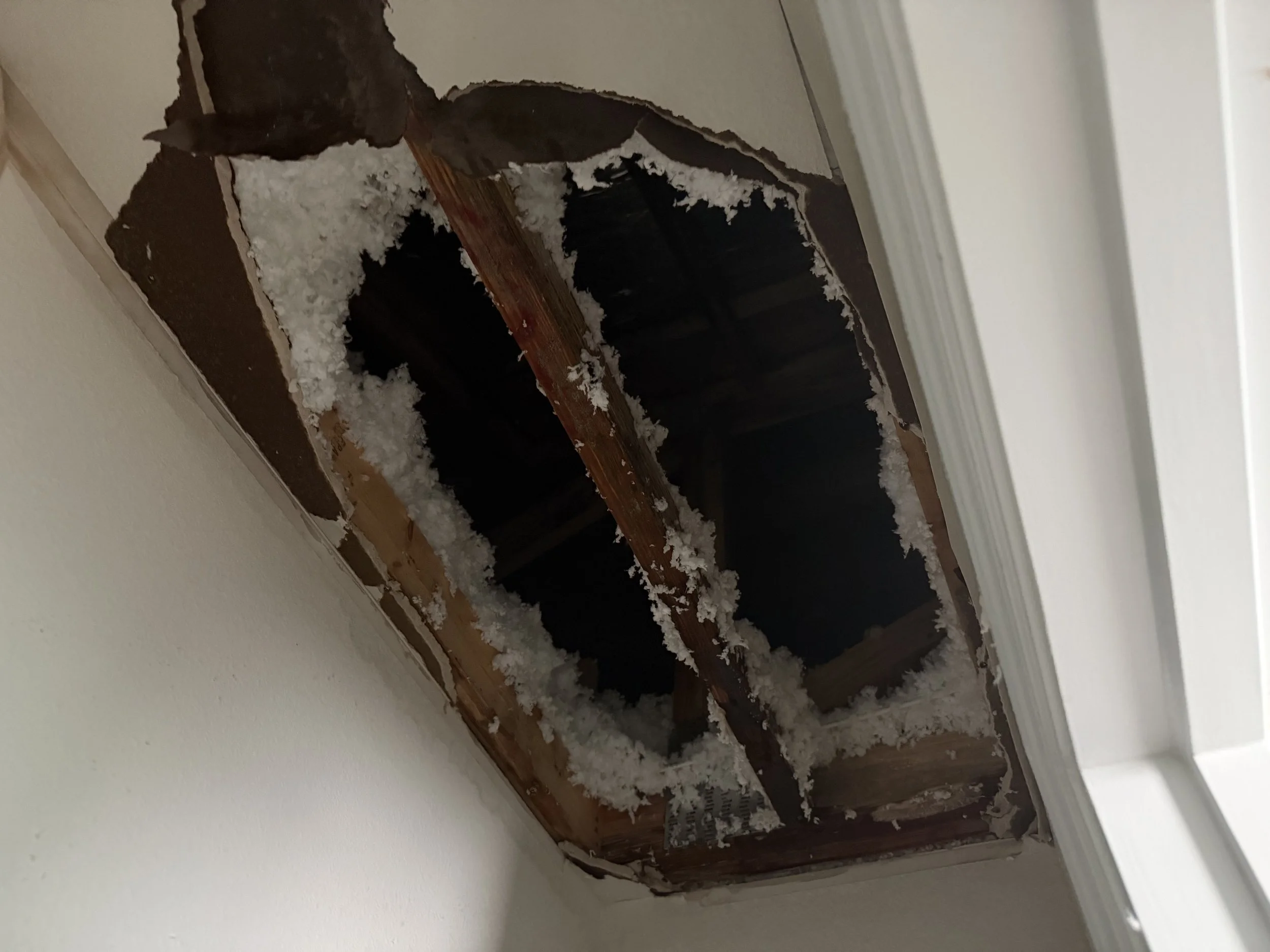
Homeowner Duty to Mitigate Loss: Why Acting Fast After Water and Fire Damage Matters
When disaster strikes your home—whether from fire, water, or a combination of both—your responsibilities as a homeowner extend beyond simply filing an insurance claim. Most homeowner’s insurance policies include a “duty to mitigate loss” clause, which requires you to take reasonable steps to prevent further damage after the initial incident.
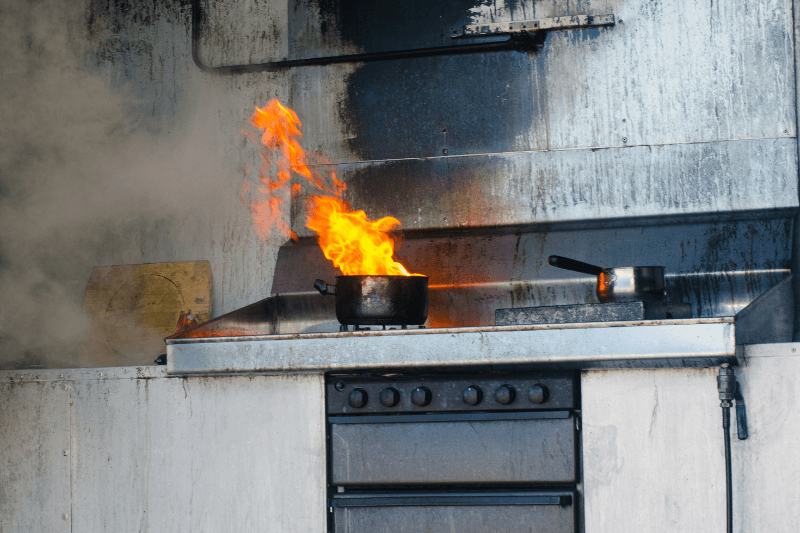
Don’t Wait: Why Homeowners Must Start Fire Damage Mitigation Immediately
Two major threats—toxic gases and aerosols—are released during and after a fire. Acting quickly to begin professional fire damage mitigation is not optional; it’s essential for protecting your home, your health, and your future.
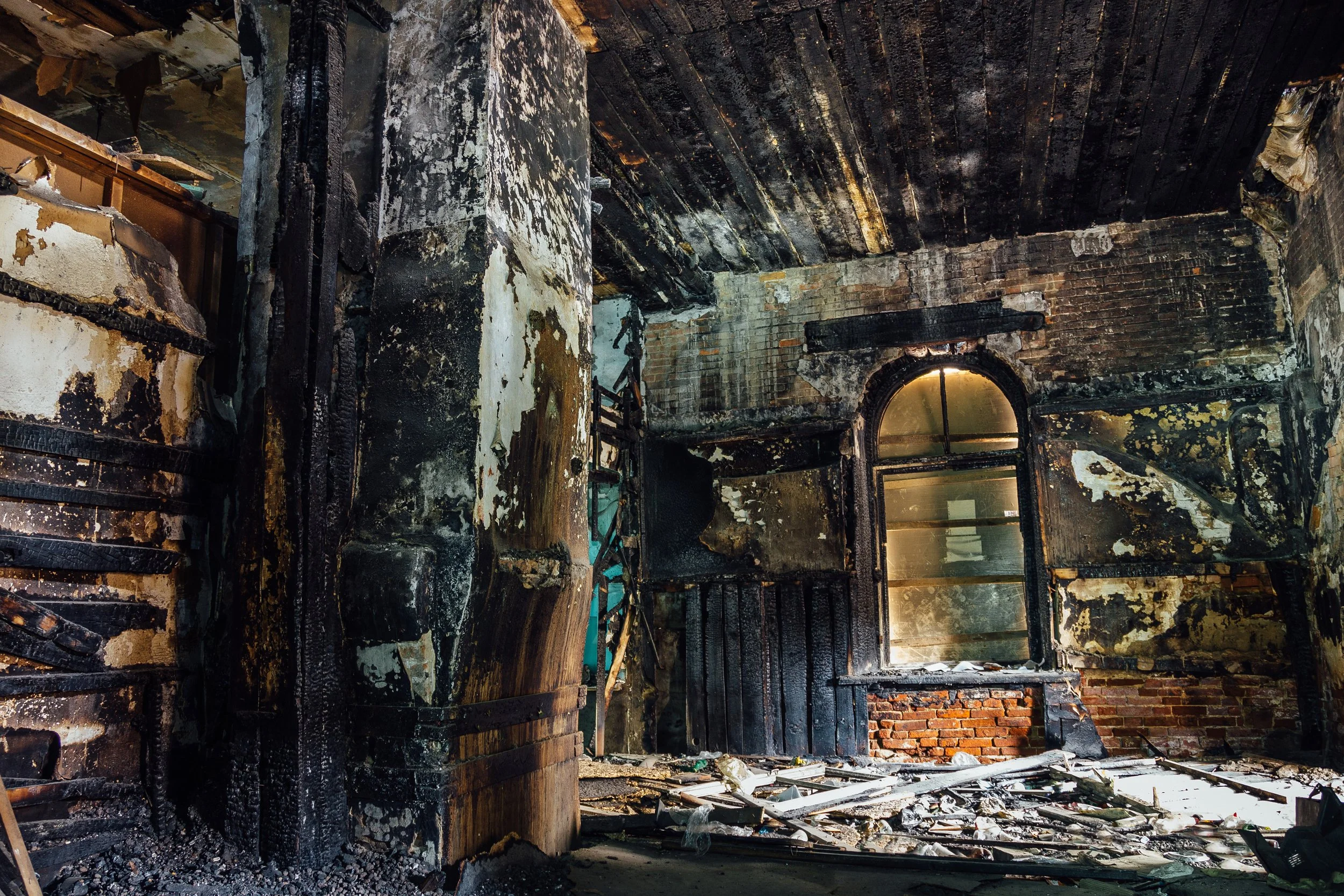
Fire Damage Restoration Basics: What Homeowners Should Know
When a fire strikes your home, the aftermath can be overwhelming — smoke damage, odors, and debris can make your home feel unrecognizable. At F1 Mitigation, we’re here to guide you through every step of the fire damage restoration process. Our goal is simple: to safely restore your home and belongings to their pre-loss condition.

F1 Mitigation LLC Earns IICRC Certification in Water, Fire & Smoke Restoration
The IICRC is the internationally recognized organization that creates the standards for the cleaning and restoration industry. Technicians who earn IICRC certifications complete rigorous coursework, hands-on training, and exams that cover building materials, health and safety, restoration science, and ethical customer care.
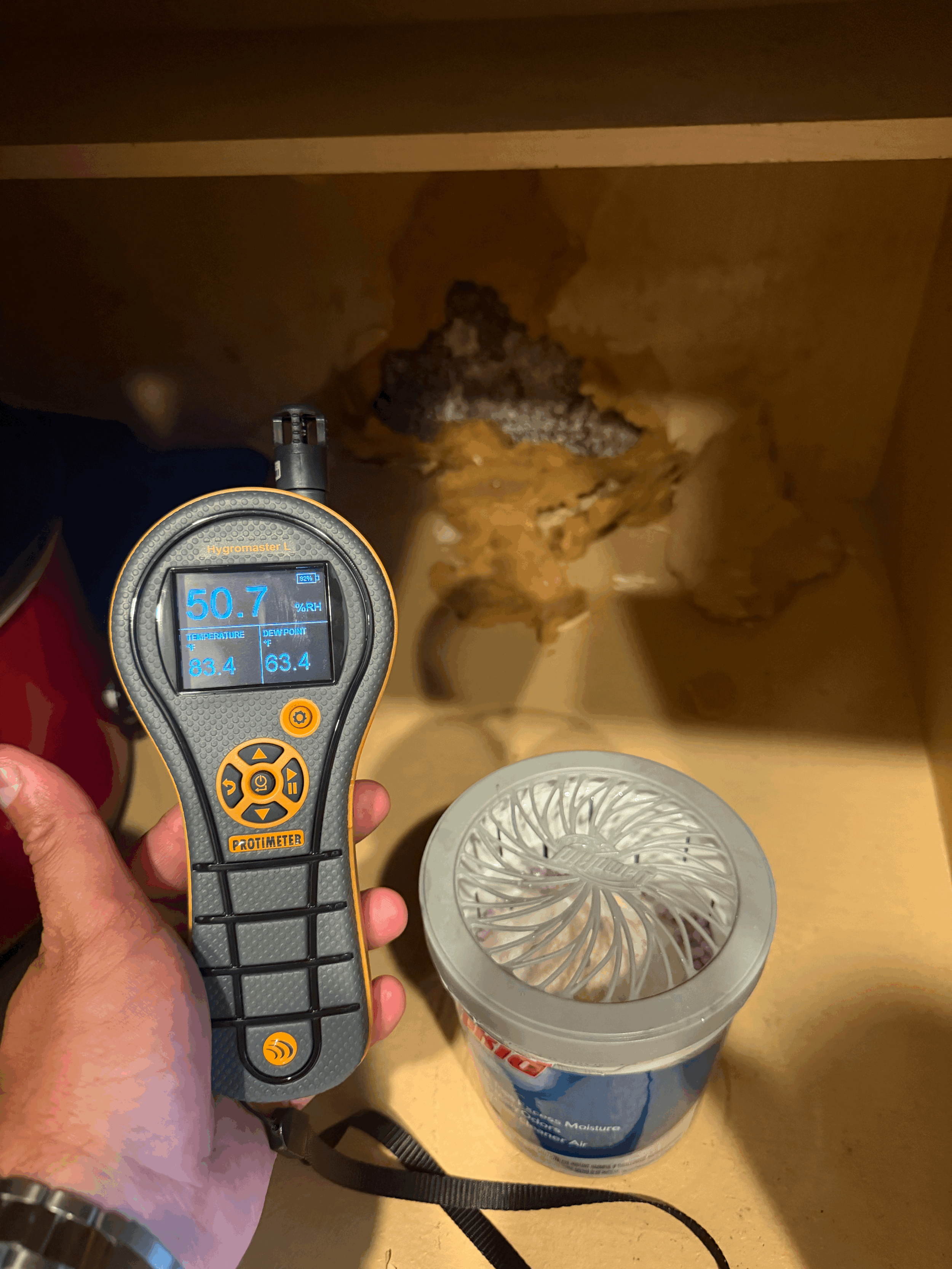
When Water Damage Leads to Mold: What Homeowners Need to Know
Imagine coming home to find a burst pipe soaking your floors or walls. You shut off the water and call for help—but within 24 to 48 hours, another hidden danger can begin to take hold: mold growth.
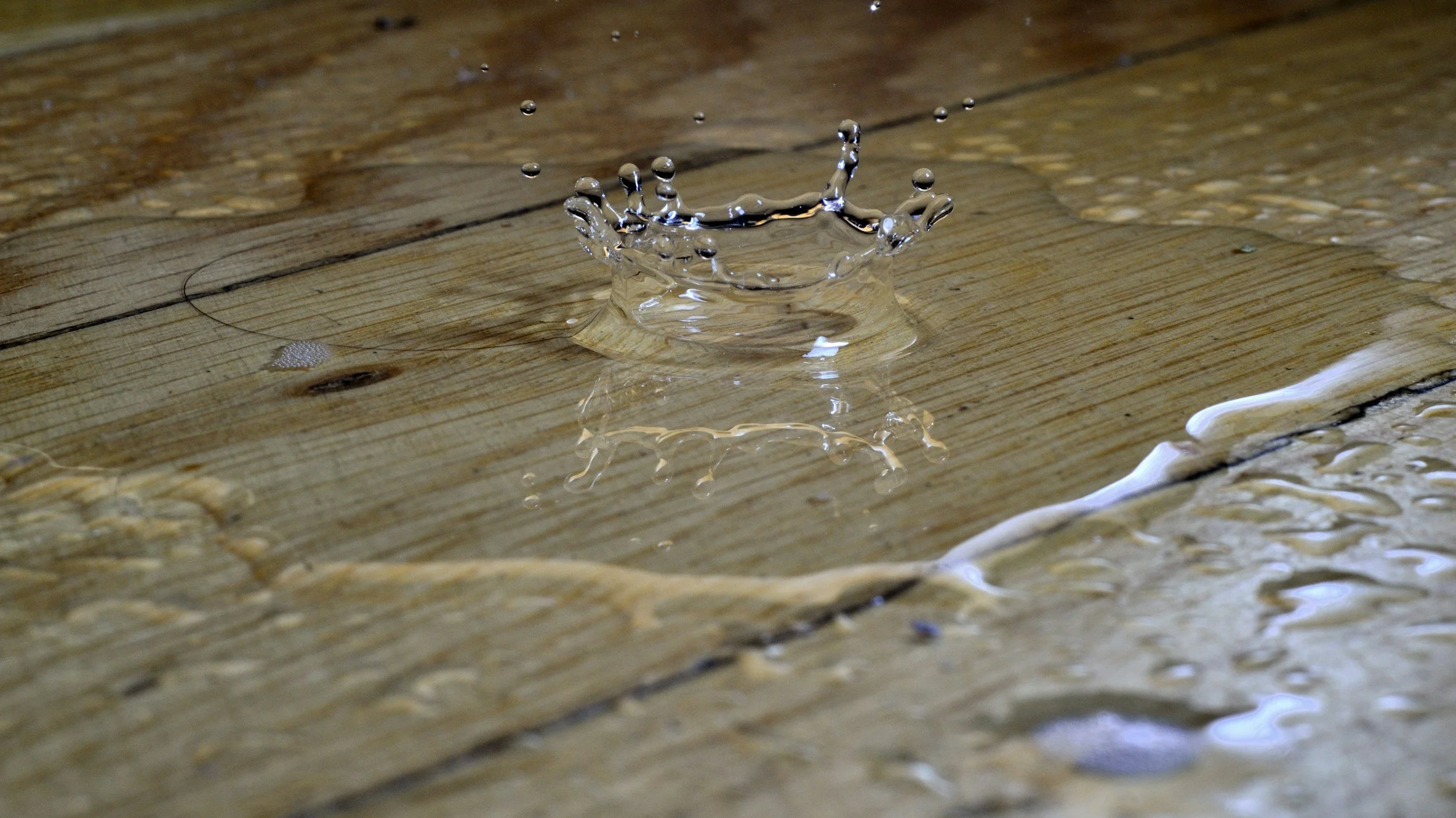
Don’t Wait: Why Immediate Water Damage Mitigation Protects Your Home and Health
When water intrusion strikes — whether from a burst pipe, storm runoff, or appliance leak — every hour counts. What starts as clean, clear water can quickly deteriorate into a contaminated mess, leading to costly repairs and unhealthy living conditions.